Forrester says the cloud market is moving beyond commodity infrastructure toward platforms built for generative AI and agentic AI. This suggests enterprise cloud strategy is increasingly centered on AI-native services rather than only storage and compute.[7]
TITEL: Enterprise AI workloads drive cloud infrastructure priorities
URL: https://www.techtarget.com/it-infrastructure/opinion/5-cloud-trends-to-watch-for-in-2026
SAMENVATTING: TechTarget reports that enterprise AI workloads will reshape cloud hyperscaling and push IT teams to prioritize end-to-end security and observability in hybrid environments. The article also highlights GenAI, cloud-native systems, edge computing, and FinOps as major forces shaping cloud decisions in 2026.[14]
TITEL: Microsoft Azure remains a major enterprise cloud platform
URL: https://www.flexera.com/blog/finops/cloud-computing-trends-flexera-2024-state-of-the-cloud-report/
SAMENVATTING: Flexera reports that adoption of AWS, Microsoft Azure, and Google Cloud continues to grow, with 45% of respondents using Azure for significant workloads. The same report shows rising use of machine learning and AI services, indicating strong enterprise demand for cloud-based AI capabilities.[27]
TITEL: Zero trust, MFA, and patching stay central to cybersecurity best practices
URL: https://www.fortinet.com/resources/cyberglossary/cybersecurity-best-practices
SAMENVATTING: Fortinet lists zero trust architecture, multi-factor authentication, identity and access management, endpoint detection and response, and regular patch management among the top cybersecurity practices for 2026. The guidance also emphasizes least-privilege access, encryption, and incident response planning.[5]
TITEL: CISA emphasizes core cyber hygiene for businesses
URL: https://www.cisa.gov/topics/cybersecurity-best-practices
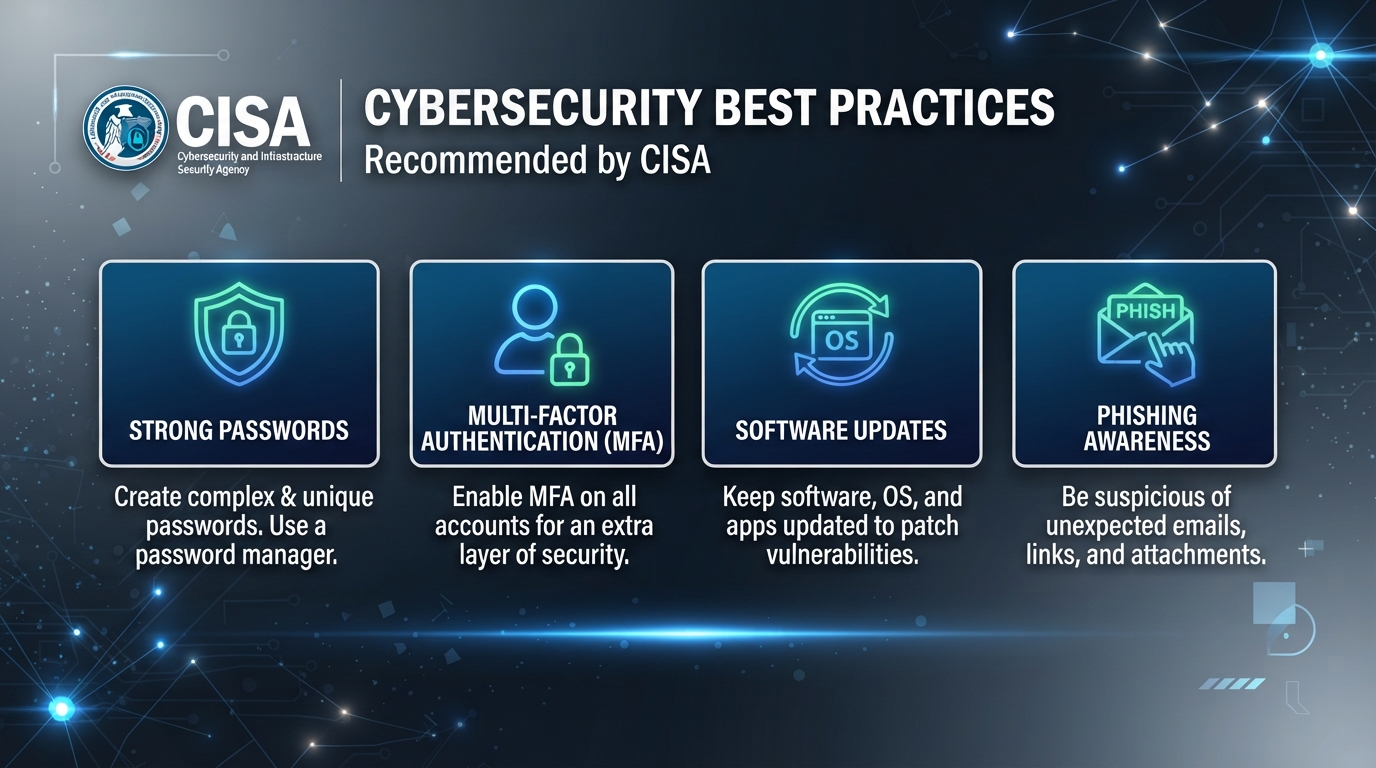
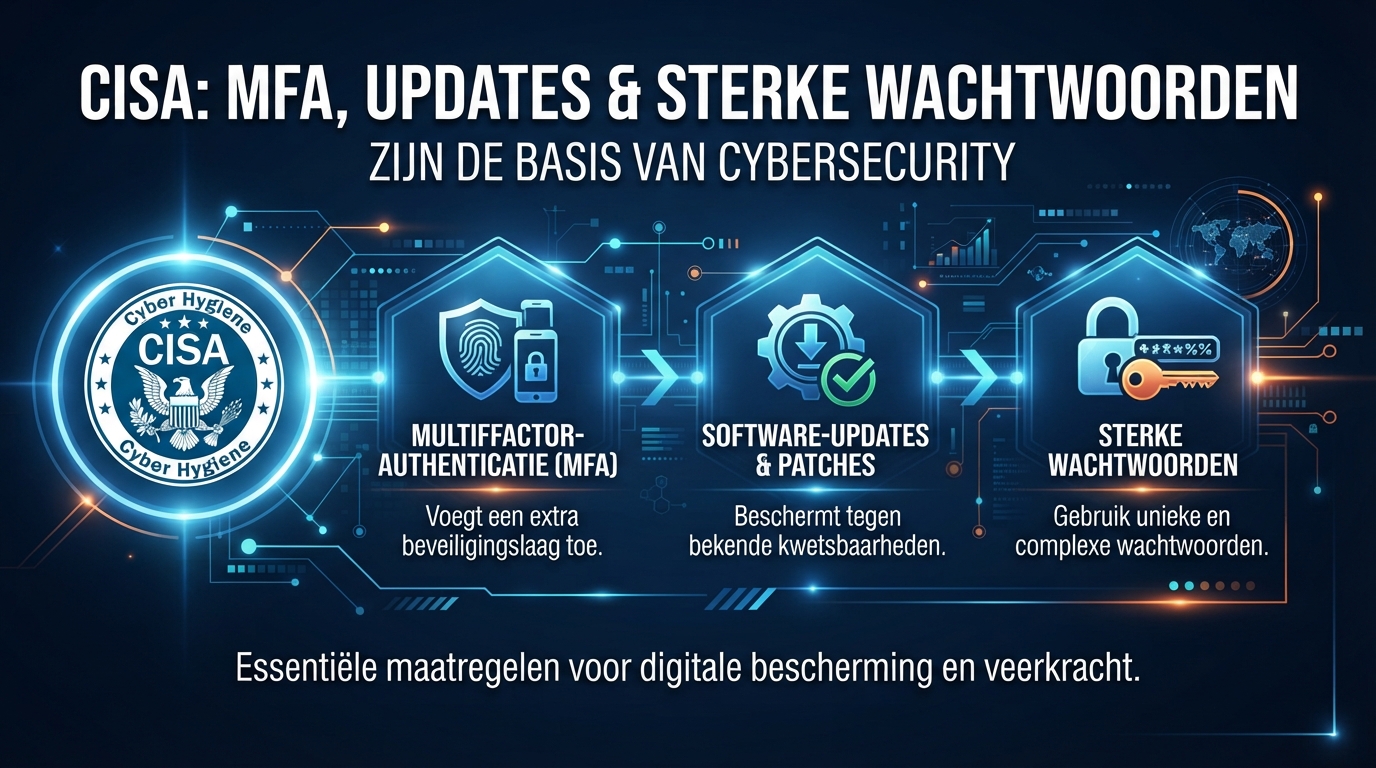
SAMENVATTING: CISA says basic cyber hygiene includes strong passwords, software updates, thinking before clicking suspicious links, and turning on multi-factor authentication. Its business guidance also stresses logging, backups, encryption, and phishing-resistant MFA for stronger organizational defense.[26]
https://www.forrester.com/blogs/category/cloud-computing/