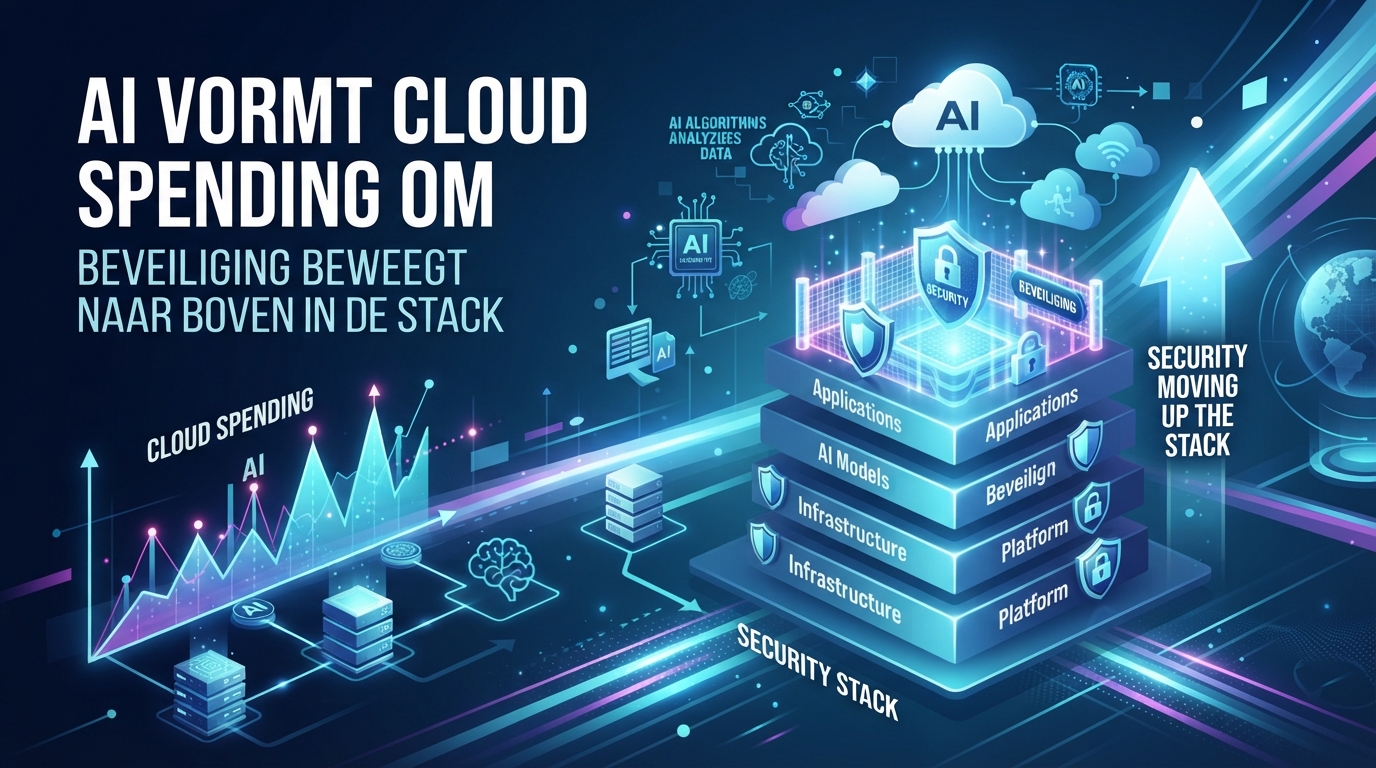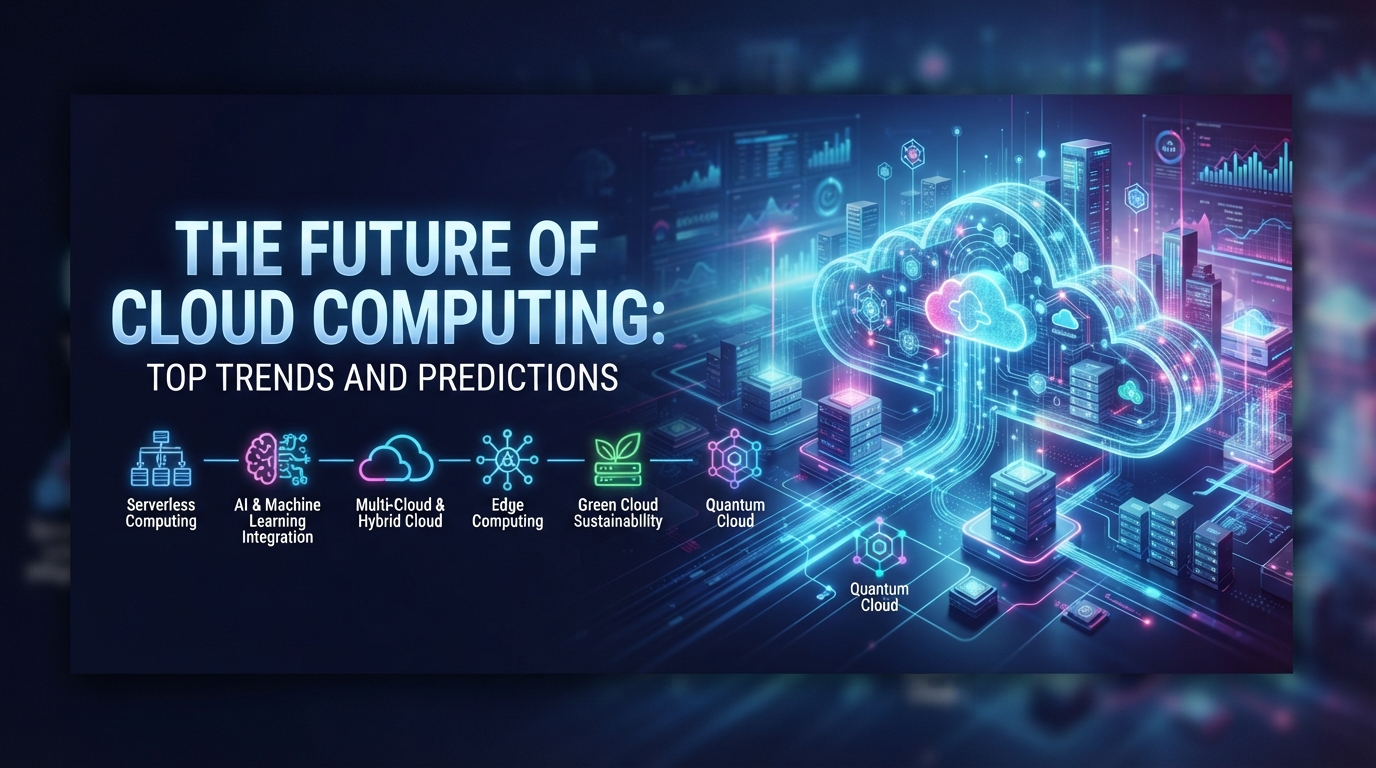
Enterprise cloud strategy is increasingly shaped by AI, cloud-native architectures, edge computing, and stricter privacy requirements. The article says AI will play a definitive role in how enterprises use and develop cloud infrastructure, especially as data demands rise.[13]
TITEL: Cybersecurity best practices: An essential guide for 2026
URL: https://www.fortinet.com/resources/cyberglossary/cybersecurity-best-practices
SAMENVATTING: This guide highlights core defenses including zero trust, multi-factor authentication, identity and access management, endpoint detection and response, and regular patching. It also emphasizes encryption and network segmentation to reduce breach impact.[3]
TITEL: What is cybersecurity? Overview, best practices and resources
URL: https://www.verizon.com/home/internet/guides/what-is-cybersecurity-overview-best-practices-and-resources/
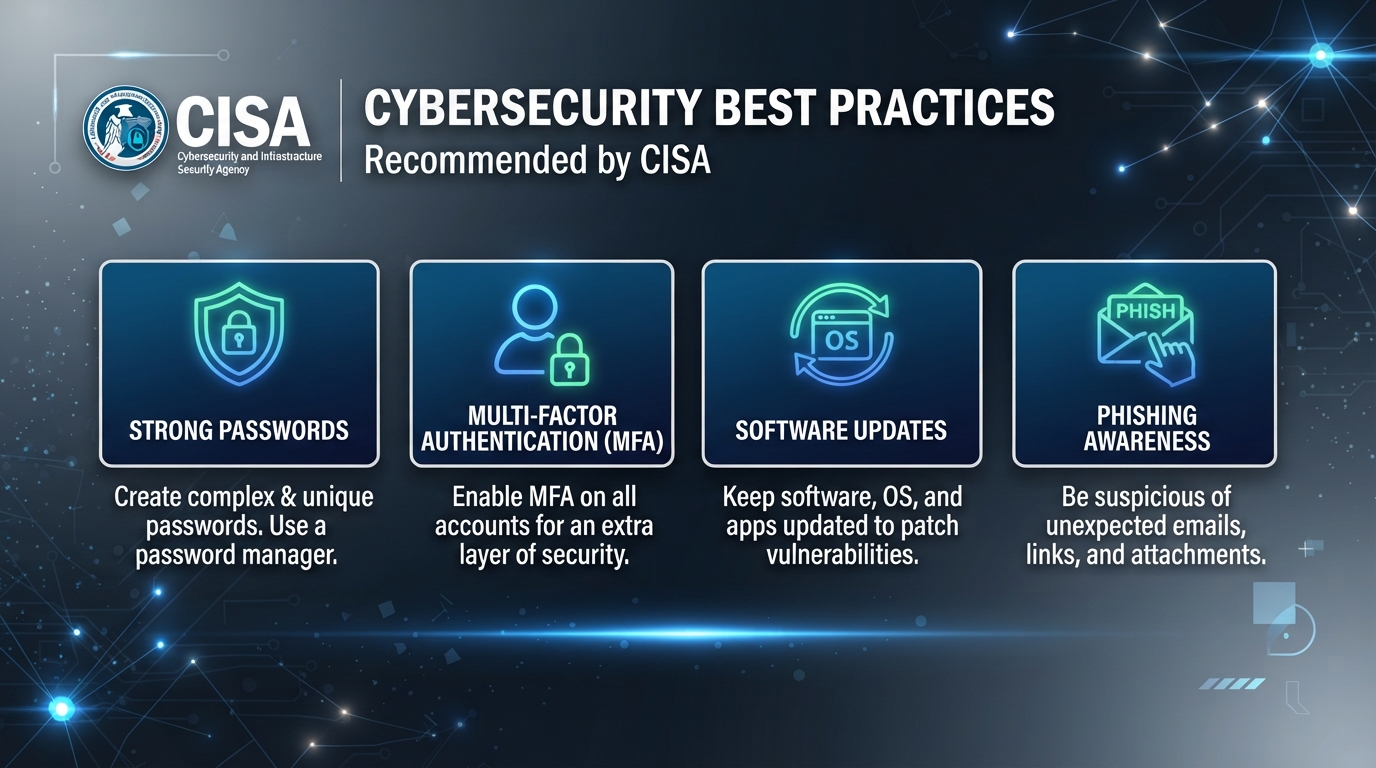
SAMENVATTING: Verizon recommends practical security hygiene such as password managers, automatic software updates, MFA, and avoiding suspicious links or unsolicited requests for credentials. It also advises limiting employee access to sensitive information.[2]
TITEL: Cloud computing trends
URL: https://www.forrester.com/blogs/category/cloud-computing/
SAMENVATTING: Forrester describes an “AI-native cloud” shift, where cloud platforms are being built specifically for generative AI and agentic AI workloads. It also notes that storage is becoming a strategic decision point because of performance and governance concerns.[8]
TITEL: Cloud Computing Market Trends to Watch in 2025
URL: https://www.alpha-sense.com/blog/trends/cloud-computing-market-trends/
SAMENVATTING: The report points to AI adoption, hybrid and multicloud strategies, edge computing, cloud security, and sustainability as major market forces. It also says AI-as-a-service is becoming a major cloud paradigm as enterprise demand grows.[33]
https://www.techtarget.com/it-infrastructure/feature/The-future-of-cloud-computing-Top-trends-and-predictions