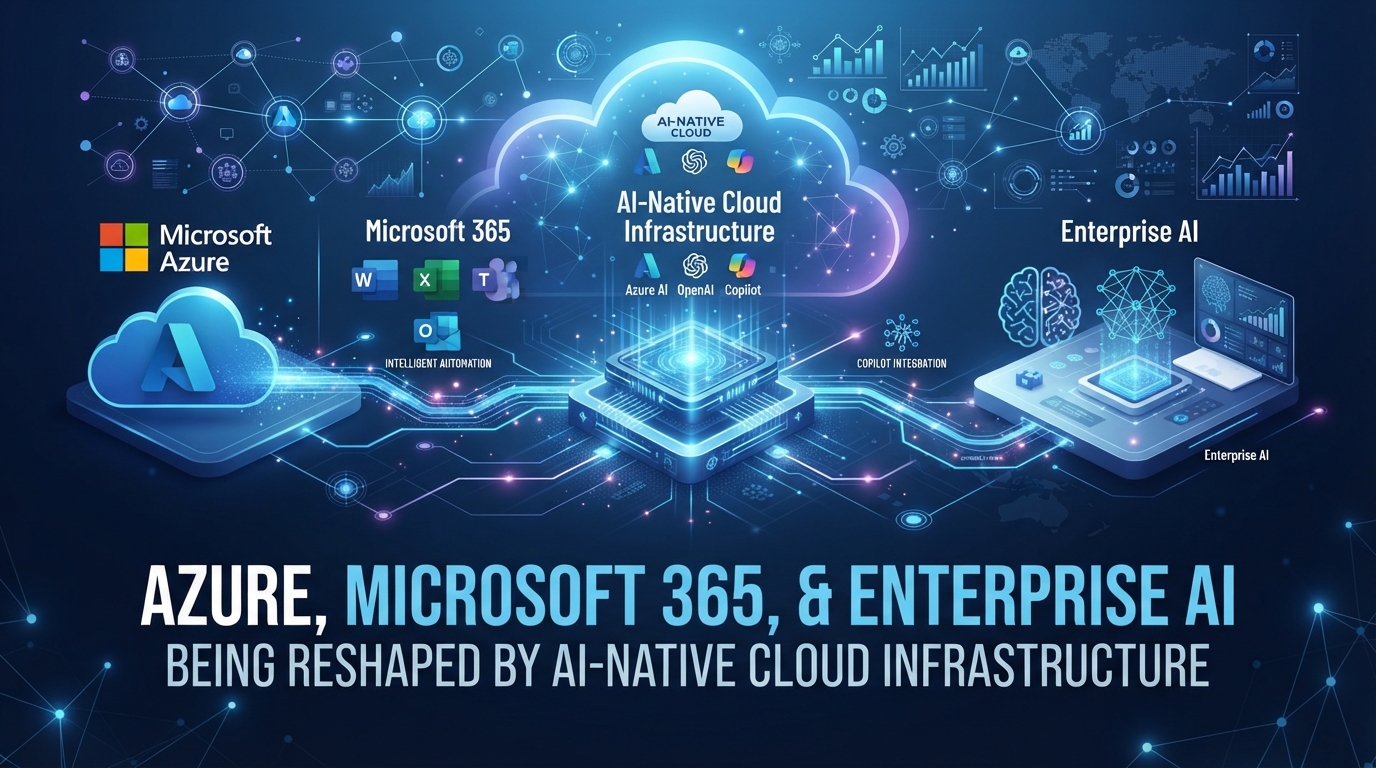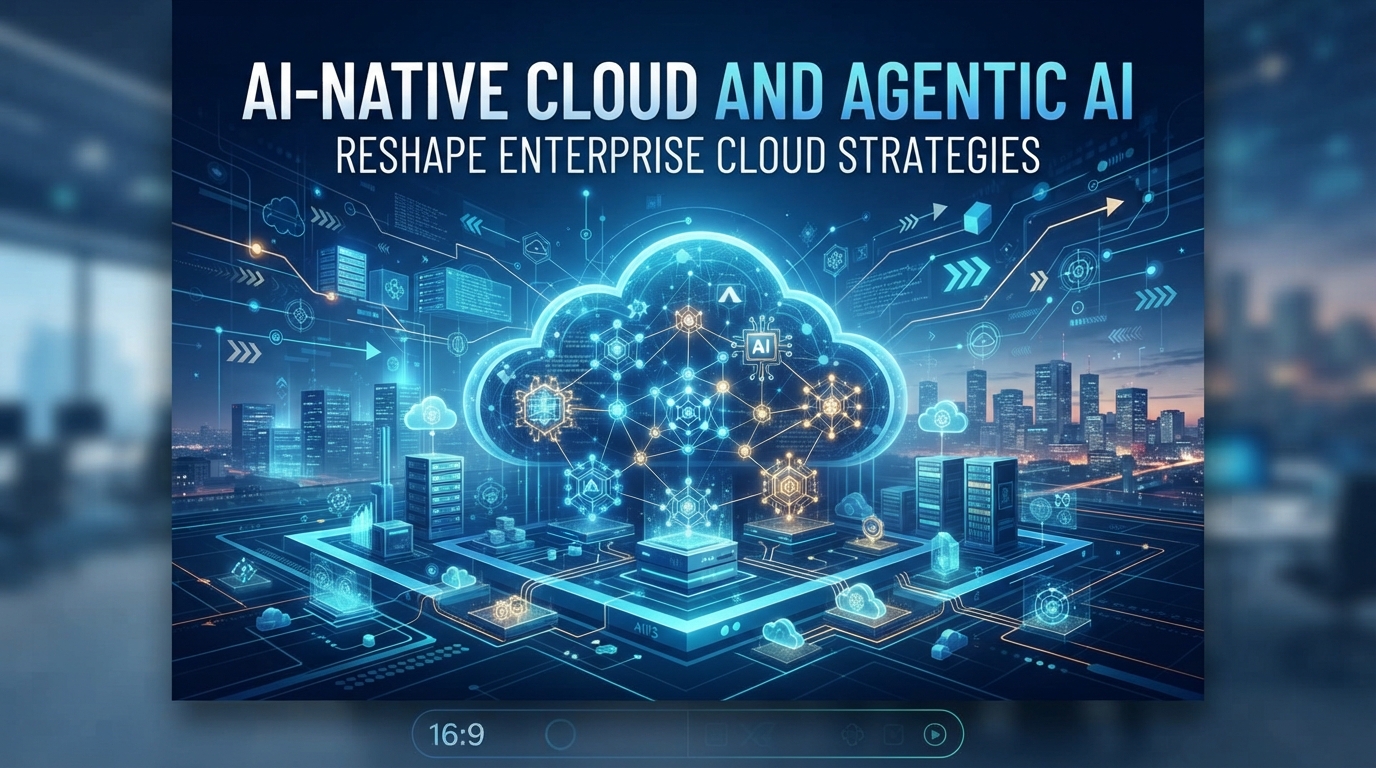
Forrester says the cloud market is moving beyond commodity infrastructure toward platforms built for generative AI and agentic AI. It also highlights emerging “AI infrastructure cloud platforms” and “AI-centric neo-platforms as a service” as new patterns shaping enterprise architectures.[5]
TITEL: AI workloads become the main driver of cloud spending growth
URL: https://www.cloudzero.com/blog/cloud-computing-statistics/
SAMENVATTING: CloudZero reports that AI workloads are now the primary driver of cloud spending growth in 2026. The same source notes that cloud infrastructure spending surged sharply at the end of 2025, underscoring continued pressure on enterprise budgets.[20]
TITEL: Hybrid and multi-cloud remain standard enterprise cloud models
URL: https://www.civo.com/blog/state-of-cloud-in-2026
SAMENVATTING: Civo says the cloud conversation has shifted from adoption to operational efficiency, predictability, and managing infrastructure at scale. It also reports that hybrid and multi-cloud are now standard, with organizations balancing complexity, cost control, and governance across environments.[24]
TITEL: Microsoft Azure remains a leading enterprise cloud platform
URL: https://www.flexera.com/blog/finops/the-latest-cloud-computing-trends-flexera-2025-state-of-the-cloud-report/
SAMENVATTING: Flexera’s cloud trend report says Azure holds a slight lead among enterprises. The report also notes that more organizations are creating dedicated FinOps teams to manage cloud spending and optimize workloads.[27]
TITEL: Cybersecurity best practices continue to center on MFA, strong passwords, and updates
URL: https://www.cisa.gov/topics/cybersecurity-best-practices
SAMENVATTING: CISA describes strong passwords, software updates, careful clicking, and multi-factor authentication as the basics of cyber hygiene. Fortinet similarly lists zero trust, MFA, identity and access management, and encryption as core cybersecurity practices for 2026.[30][2]
https://www.forrester.com/blogs/category/cloud-computing/