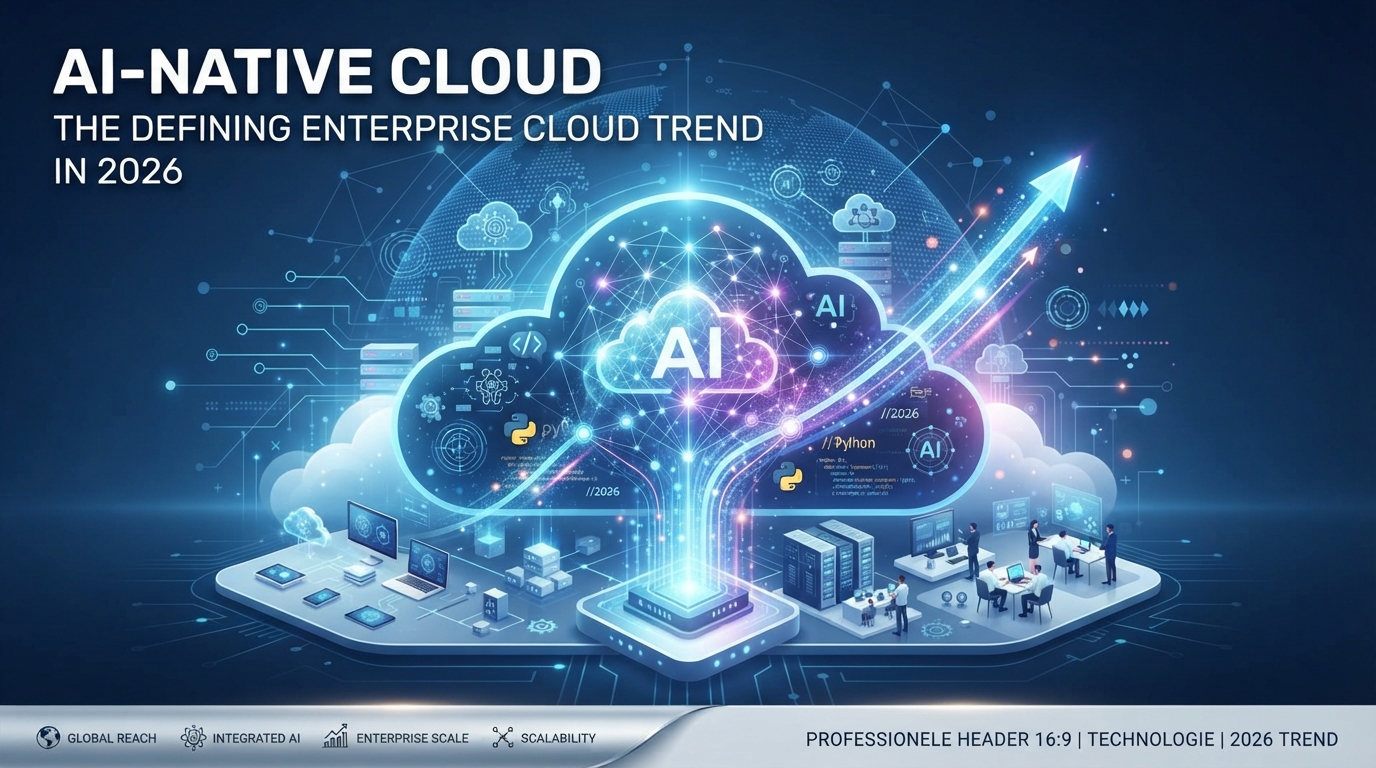
Forrester says the cloud industry is moving beyond commodity infrastructure toward platforms built for generative AI and agentic AI. It highlights AI infrastructure cloud platforms and AI-centric neo-platforms as a service as two emerging directions, with storage becoming a strategic decision point for autonomous AI use cases.[6]
TITEL: Multicloud, hybrid cloud, and AI workloads keep reshaping enterprise cloud strategies
URL: https://www.gartner.com/en/newsroom/press-releases/2025-05-13-gartner-identifies-top-trends-shaping-the-future-of-cloud
SAMENVATTING: Gartner lists AI/ML, multicloud, sustainability, digital sovereignty, and industry solutions among the top cloud trends shaping the next four years. It also predicts that 25% of organizations will experience significant dissatisfaction with cloud adoption by 2028 because of unrealistic expectations, poor implementation, or uncontrolled costs.[27]
TITEL: AI workloads are now the primary driver of cloud spending growth
URL: https://www.cloudzero.com/blog/cloud-computing-statistics/
SAMENVATTING: CloudZero reports that AI workloads are the main driver of cloud spending growth in 2026. It also notes that cloud infrastructure spending surged 29% year over year in Q4 2025, marking the sixth consecutive quarter of 20%-plus growth.[21]
TITEL: Microsoft Azure holds a slight lead among enterprises as FinOps grows
URL: https://www.flexera.com/blog/finops/the-latest-cloud-computing-trends-flexera-2025-state-of-the-cloud-report/
SAMENVATTING: Flexera says FinOps practices are gaining popularity, with 59% of organizations now having a dedicated FinOps team. It also reports that while AWS remains strong, Azure holds a slight lead among enterprises.[29]
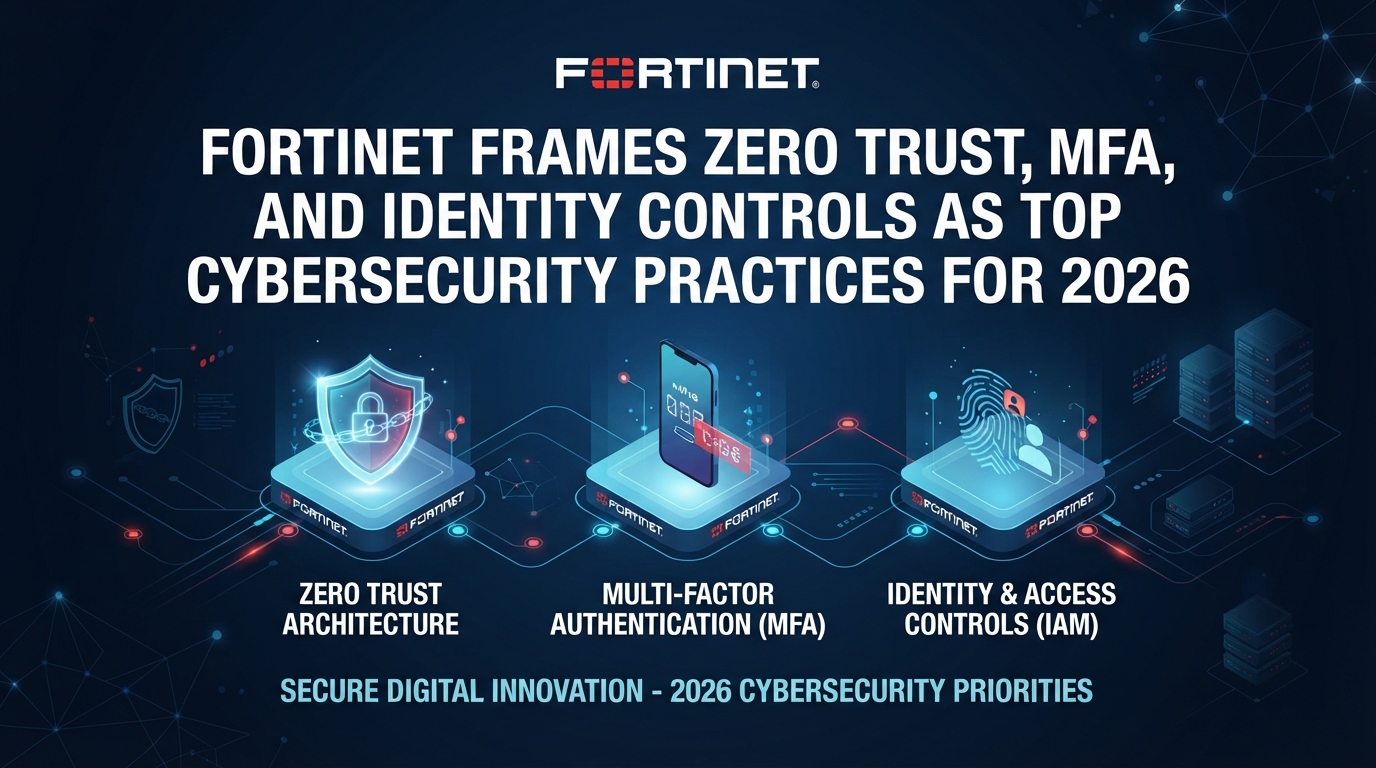
TITEL: Cybersecurity best practices center on MFA, patching, and least privilege
URL: https://www.fortinet.com/resources/cyberglossary/cybersecurity-best-practices
SAMENVATTING: Fortinet’s 2026 guidance emphasizes zero trust architecture, multi-factor authentication, identity and access management, endpoint detection and response, and regular patch management. It also says MFA blocks over 99% of credential-based attacks.[3]
https://www.forrester.com/blogs/category/cloud-computing/