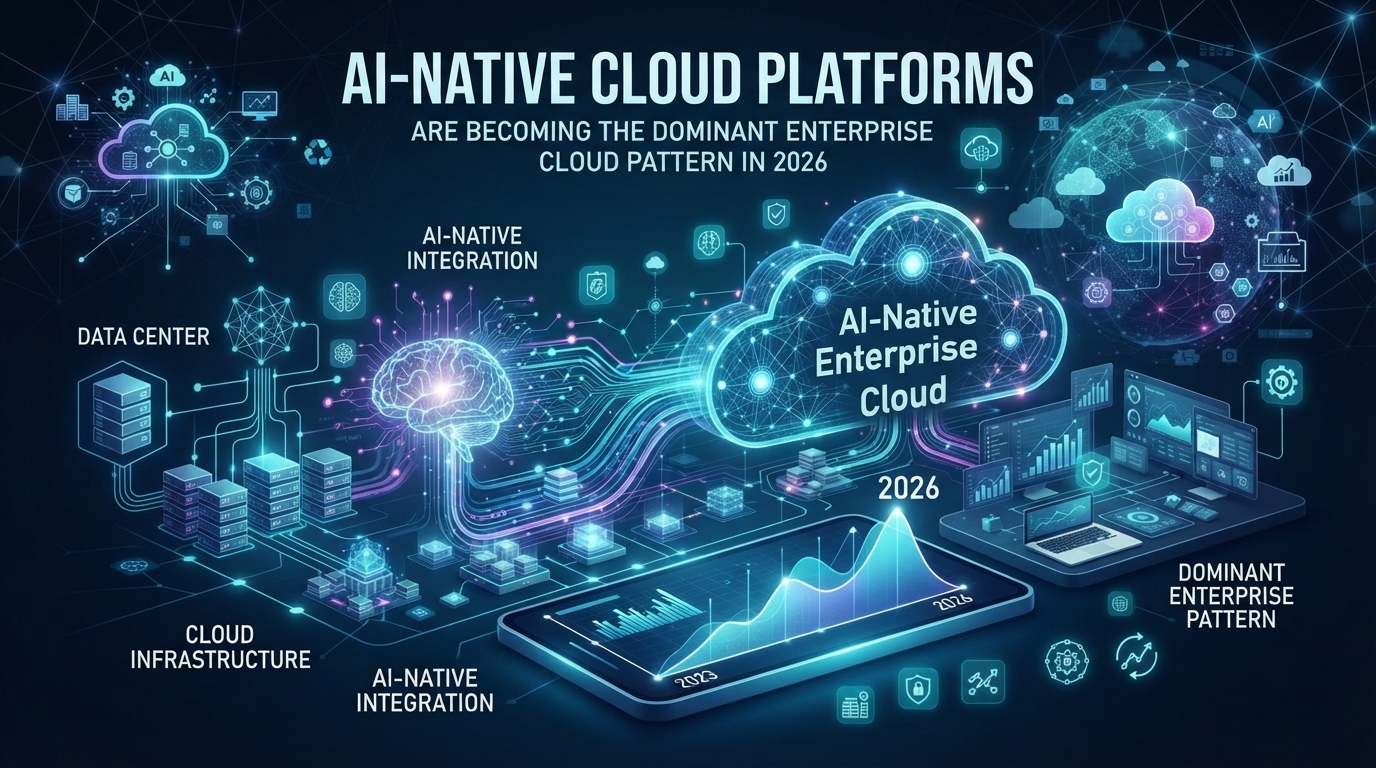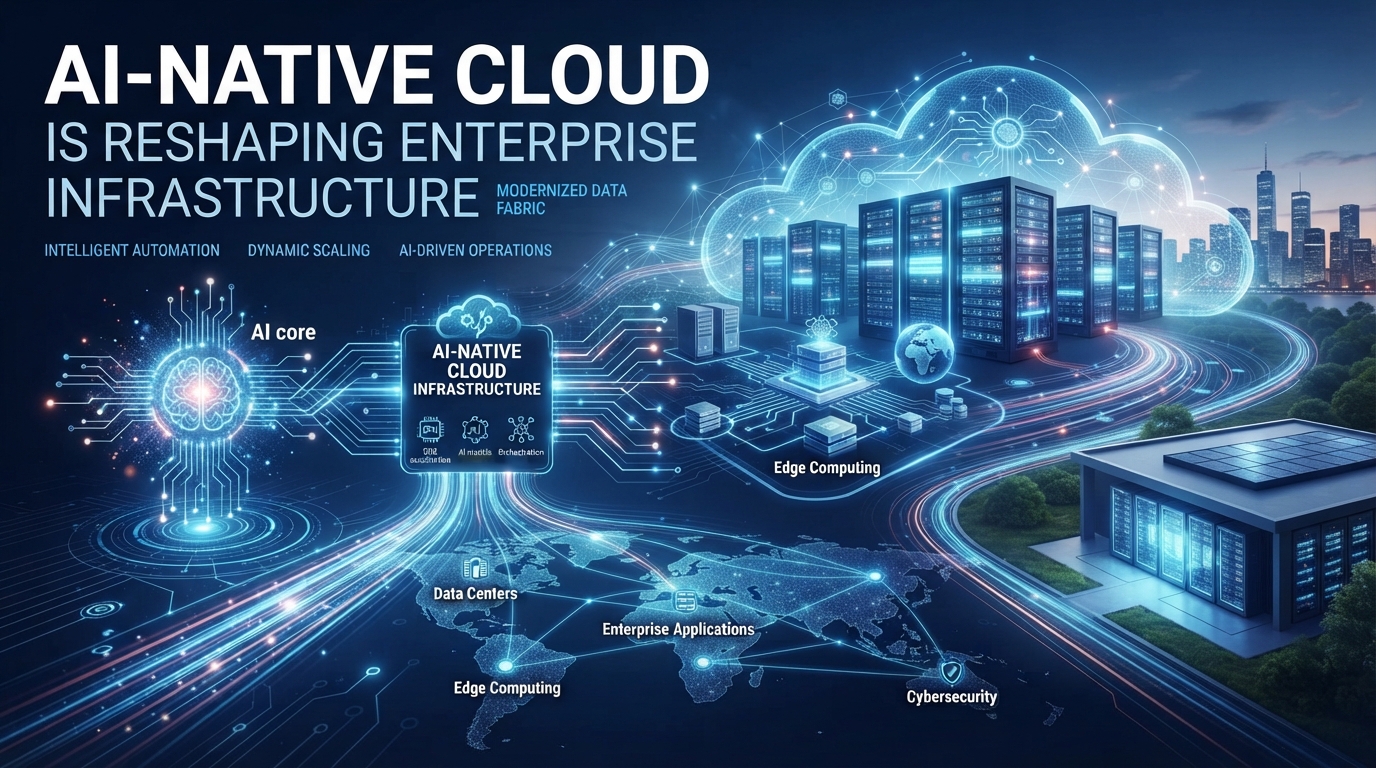
Forrester says the cloud market is moving beyond commodity infrastructure toward platforms built specifically for generative AI and agentic AI. This reflects a broader shift in enterprise cloud strategy toward AI-first workloads and specialized cloud capabilities.[15]###
TITEL: Enterprises are prioritizing AI-optimized hybrid cloud
URL: https://www.cio.com/article/4026759/7-enterprise-cloud-strategy-trends-shaking-up-it-today.html
SAMENVATTING: CIO reports that AI-optimized hybrid cloud architectures are a defining enterprise cloud trend. The same source says organizations are also emphasizing AI/ML-driven workloads, AI infrastructure integration, and multicloud optimization.[26]###
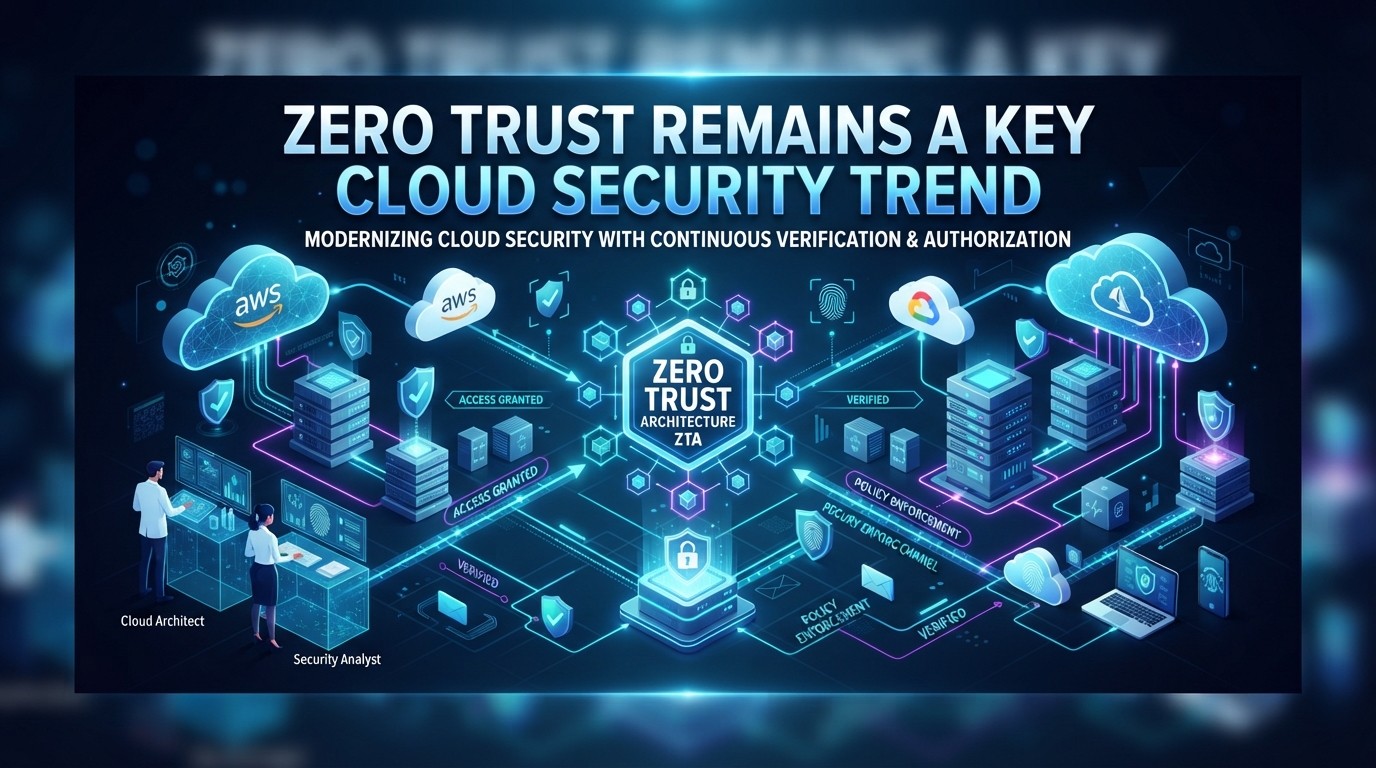
TITEL: Zero trust remains a core cloud security trend
URL: https://www.n-ix.com/cloud-computing-trends/
SAMENVATTING: N-iX identifies zero trust as a rapidly emerging cloud security trend. This aligns with broader cybersecurity guidance emphasizing strict identity controls, MFA, and least-privilege access.[4][5]###
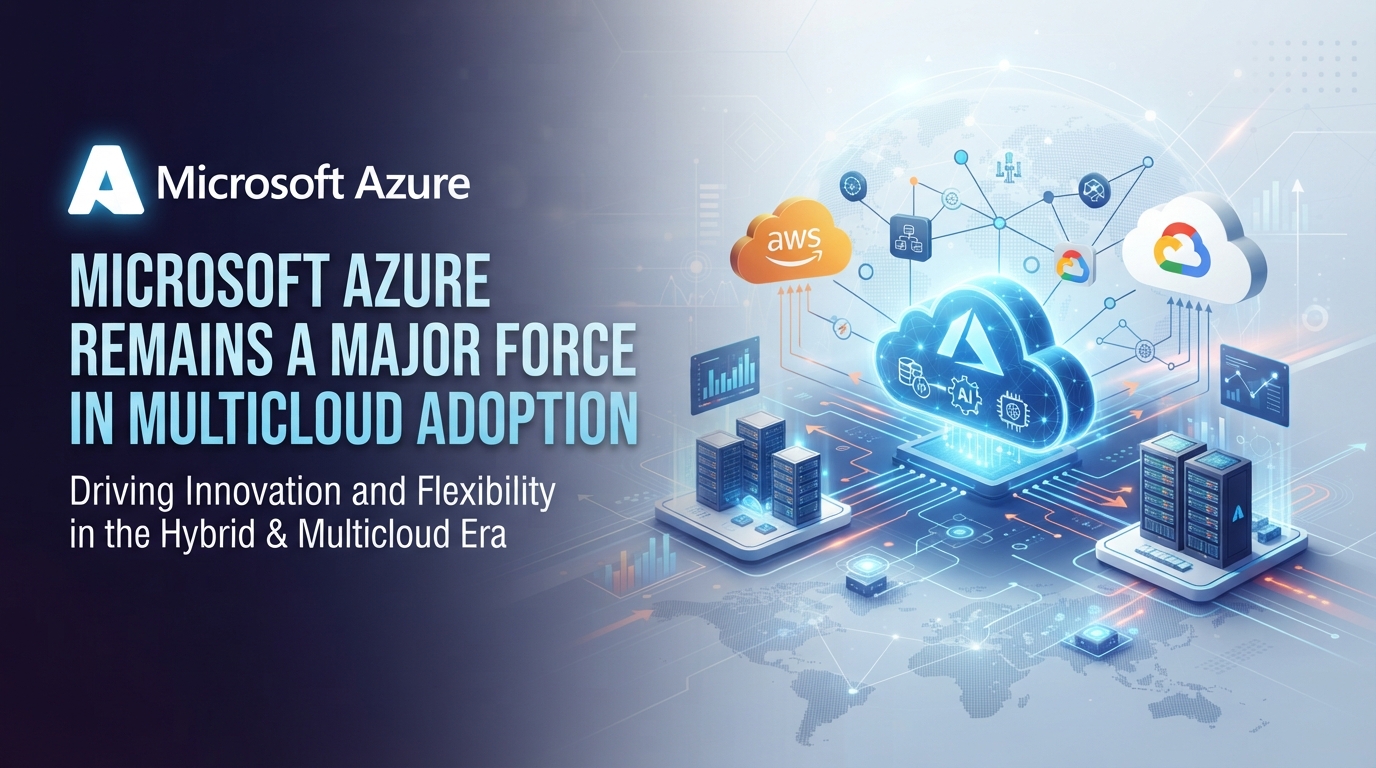
TITEL: Microsoft Azure continues to gain traction in enterprise cloud use
URL: https://www.flexera.com/blog/finops/cloud-computing-trends-flexera-2024-state-of-the-cloud-report/
SAMENVATTING: Flexera reports that 45% of respondents used Azure for significant workloads, alongside strong AWS and Google Cloud adoption. The report also notes continued growth in AI/ML use, with AI attracting the most experimentation and future adoption.[16]###
TITEL: Cloud spending control is becoming a dedicated discipline
URL: https://www.netsuite.com/portal/resource/articles/erp/cloud-computing-trends.shtml
SAMENVATTING: NetSuite highlights the rise of FinOps teams focused on optimizing cloud spending and managing cloud complexity. It also notes increasing reliance on managed service providers as organizations try to handle more complex cloud environments.[1]###
https://www.forrester.com/blogs/category/cloud-computing/