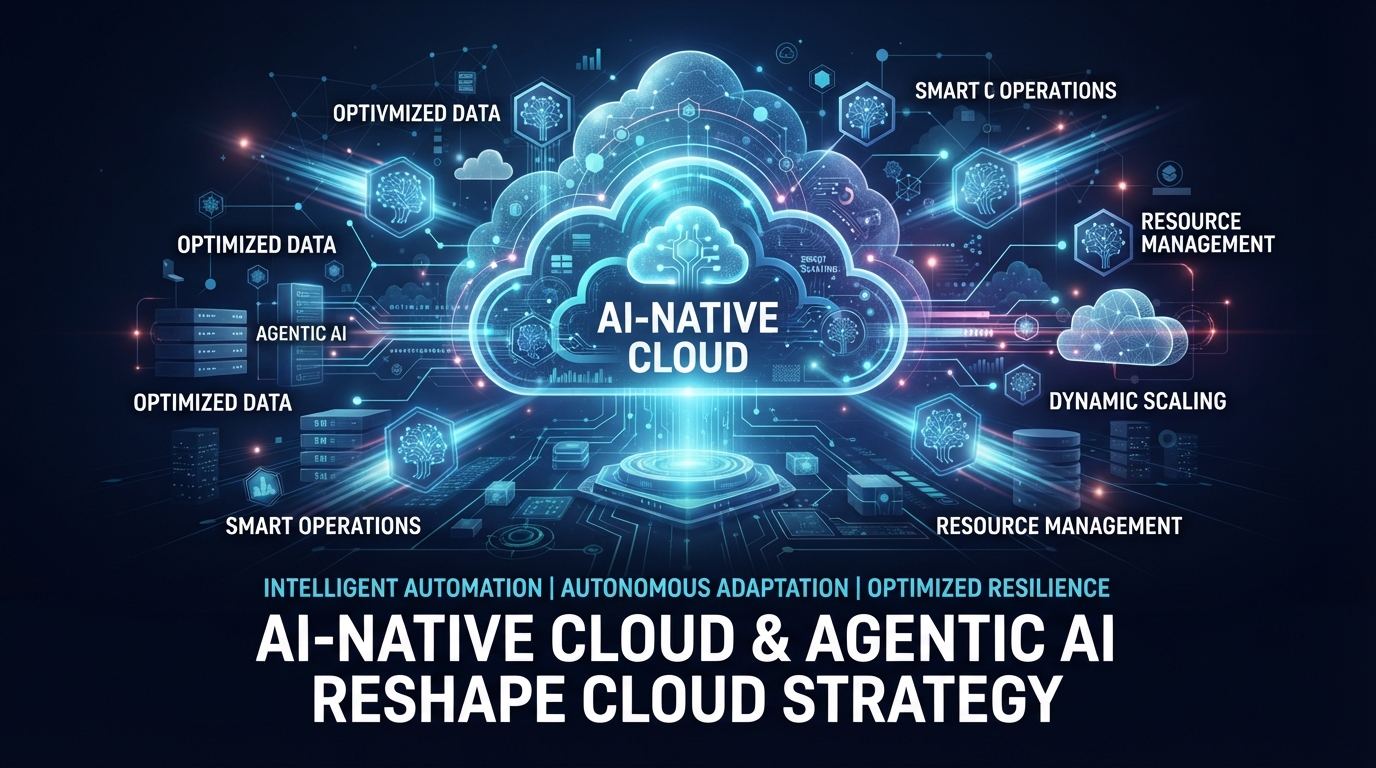
Forrester says the cloud market is moving beyond commodity infrastructure toward AI-native cloud platforms built for generative AI and agentic AI. This points to enterprise demand for cloud services that are optimized for AI workloads rather than only general-purpose computing.[7]
TITEL: Enterprise AI workloads reshape cloud strategy
URL: https://www.techtarget.com/it-infrastructure/opinion/5-cloud-trends-to-watch-for-in-2026
SAMENVATTING: TechTarget reports that enterprise AI workloads will reshape cloud hyperscaling, while IT teams focus on end-to-end security and observability in hybrid environments. The article frames AI as a direct driver of infrastructure and operations decisions in the cloud.[19]
TITEL: Microsoft Azure remains a major cloud platform in enterprise use
URL: https://www.flexera.com/blog/finops/cloud-computing-trends-flexera-2024-state-of-the-cloud-report/
SAMENVATTING: Flexera’s State of the Cloud report shows Azure is widely used for significant workloads, alongside AWS and Google Cloud. The same report notes that AI/ML is drawing strong experimentation and future adoption interest in cloud environments.[26]
TITEL: Cybersecurity best practices emphasize MFA and patching
URL: https://www.cisa.gov/topics/cybersecurity-best-practices
SAMENVATTING: CISA says strong passwords, software updates, thinking before clicking suspicious links, and multi-factor authentication are the basics of cyber hygiene. These are the most consistently recommended defenses across modern cybersecurity guidance.[25]
TITEL: AI and machine learning are becoming core cloud trends
URL: https://www.netsuite.com/portal/resource/articles/erp/cloud-computing-trends.shtml
SAMENVATTING: NetSuite lists AI and machine learning integration among the main cloud computing trends, alongside zero trust, cloud-based disaster recovery, and collaboration platforms. The report shows cloud strategy is increasingly tied to security, automation, and AI-enabled operations.[4]
https://www.forrester.com/blogs/category/cloud-computing/