Fortinet highlights zero trust, MFA, identity and access management, and regular patch management as key defenses against credential theft and unauthorized access.[5] The same guidance also emphasizes incident response planning, encryption, network segmentation, and third-party risk management as part of a modern security program.[5]
TITEL: CISA Recommends Strong Passwords, MFA, and Regular Software Updates as Cyber Hygiene Basics
URL: https://www.cisa.gov/topics/cybersecurity-best-practices
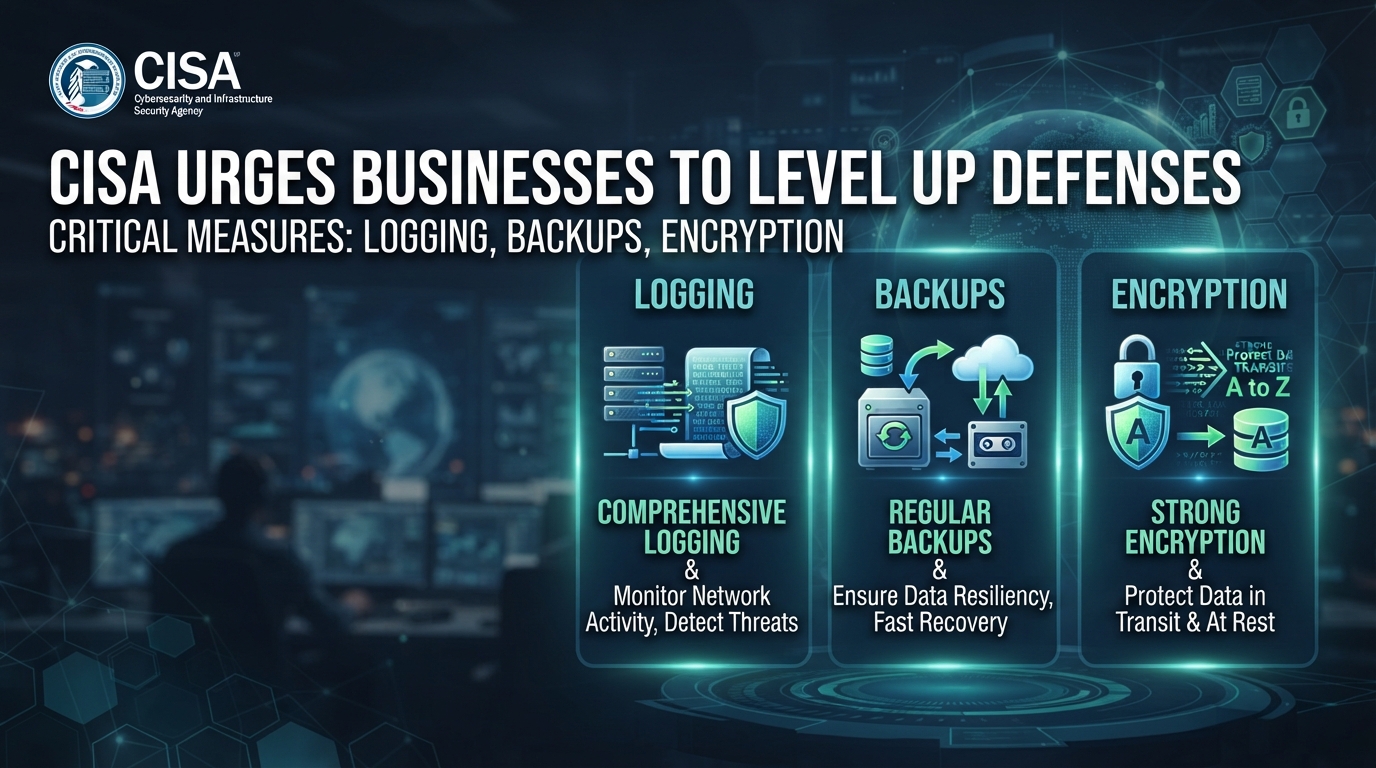
SAMENVATTING: CISA states that strong passwords, updating software, and enabling multi-factor authentication are the basics of “cyber hygiene.”[27] Its business guidance also includes logging, backups, encryption, and incident information sharing as practical protections.[6]
TITEL: Cloud Computing Trends in 2026 Center on AI, Multicloud, and Security
URL: https://www.netsuite.com/portal/resource/articles/erp/cloud-computing-trends.shtml
SAMENVATTING: NetSuite groups 2026 cloud trends into multicloud and hybrid delivery, AI and machine learning integration, and compliance and security themes such as zero trust and cloud-based disaster recovery.[4] It also notes that AI and generative AI adoption, FinOps, and managed service providers are shaping how enterprises use cloud services.[4]
TITEL: Enterprise Cloud Strategy Is Being Reshaped by AI-Optimized Hybrid Architectures
URL: https://www.cio.com/article/4026759/7-enterprise-cloud-strategy-trends-shaking-up-it-today.html
SAMENVATTING: CIO reports that AI-optimized hybrid cloud architectures are a defining enterprise trend, with strong emphasis on AI/ML-driven cloud workloads and multicloud optimization.[23] The same report says AI infrastructure integration is becoming central to cloud strategy.[23]
TITEL: Microsoft Azure Continues to Expand Its AI Infrastructure Capabilities
URL: https://www.mordorintelligence.com/industry-reports/cloud-computing-market
SAMENVATTING: Mordor Intelligence reports that Microsoft expanded its strategic partnership with AMD in July 2026 to deploy rack-scale solutions, AMD EPYC processors, and AMD Pensando DPUs in Azure.[35] The source says the move is intended to improve AI infrastructure performance for cloud workloads.[35]
https://www.fortinet.com/resources/cyberglossary/cybersecurity-best-practices