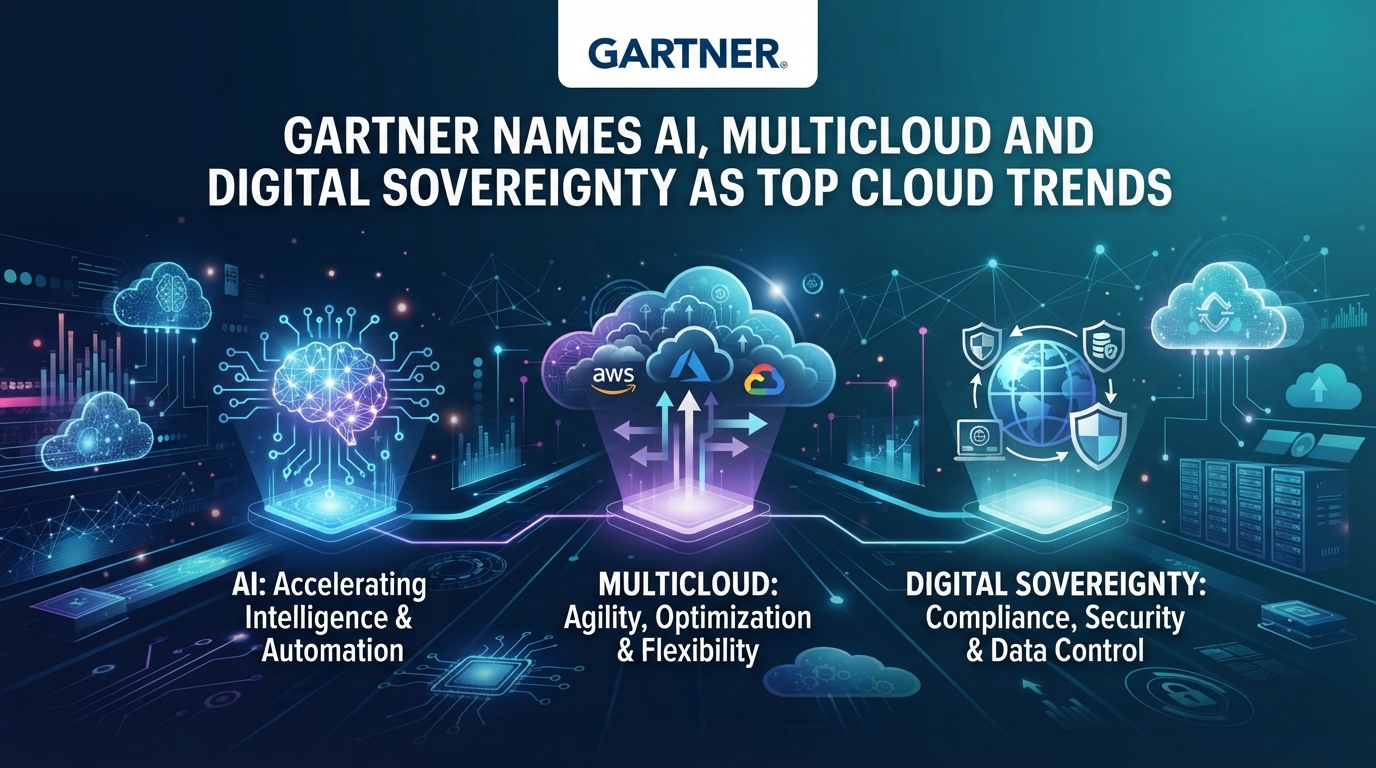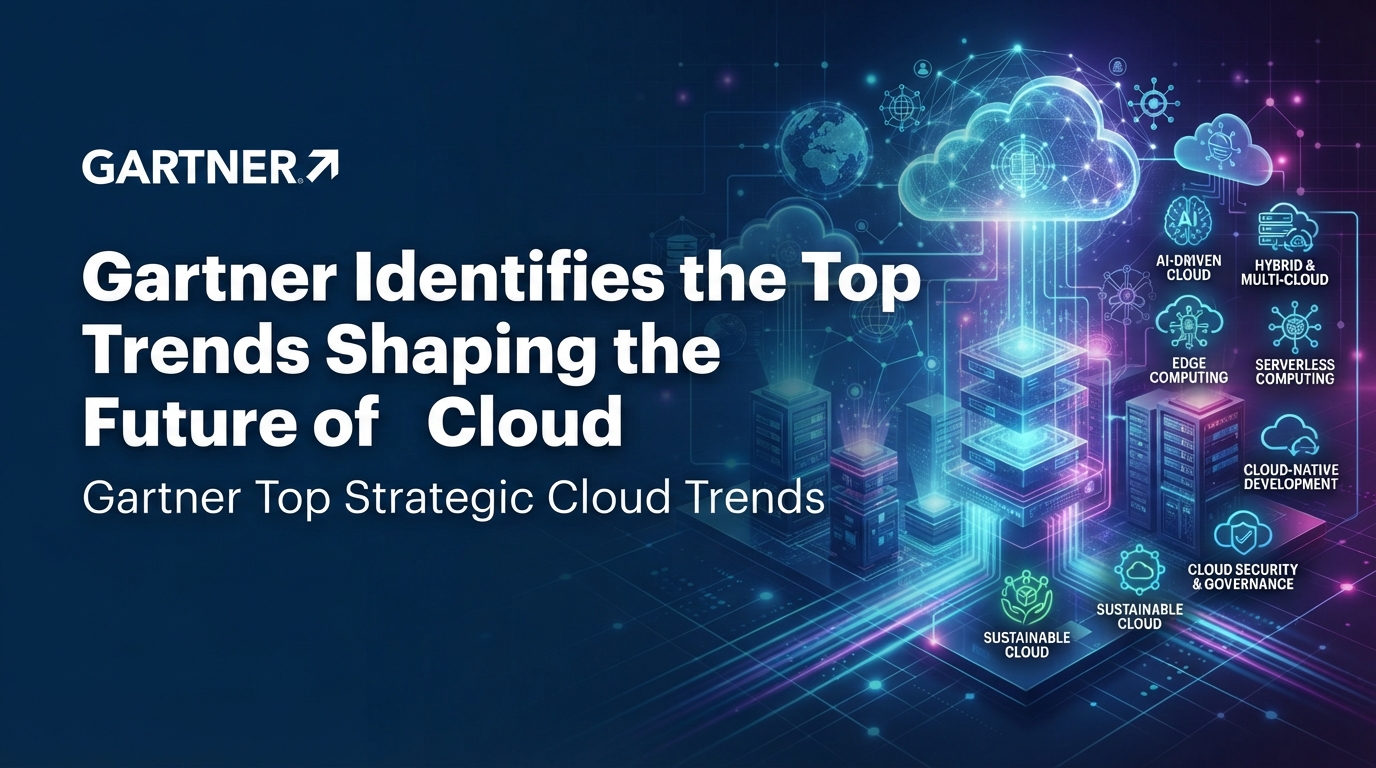
Gartner says the biggest cloud trends over the next four years include **AI/ML**, **multicloud**, sustainability, digital sovereignty, and industry solutions. The report frames these as the main forces reshaping cloud adoption and enterprise cloud strategy.[35]
TITEL: InfoQ Cloud and DevOps Trends Report – 2026
URL: https://www.infoq.com/articles/cloud-devops-trends-2026/
SAMENVATTING: InfoQ reports that AI has moved from experimentation to **enterprise execution**, pushing organizations toward AI platforms, agents, and model infrastructure. It also notes renewed focus on **cloud reliability**, with resilience and multi-region design becoming more important after major outages.[34]
TITEL: Cybersecurity best practices: An essential guide for 2026
URL: https://www.fortinet.com/resources/cyberglossary/cybersecurity-best-practices
SAMENVATTING: Fortinet highlights 2026 cybersecurity practices shaped by **AI-driven behavioral analytics**, automated threat hunting, AI-powered SIEM, and AI-assisted vulnerability prioritization. The article presents AI as a core part of modern security operations, not just an add-on.[3]
TITEL: Cloud Computing Trends
URL: https://www.forrester.com/blogs/category/cloud-computing/
SAMENVATTING: Forrester says the cloud industry is moving beyond commodity infrastructure toward an **AI-native cloud** built for generative AI and agentic AI. This reflects a broader shift toward cloud platforms optimized for enterprise AI workloads.[6]
TITEL: Flexera 2025 State of the Cloud Report
URL: https://www.flexera.com/blog/finops/the-latest-cloud-computing-trends-flexera-2025-state-of-the-cloud-report/
SAMENVATTING: Flexera says **FinOps** is gaining momentum and that AWS and Azure remain central in cloud competition. The report also notes that more organizations are turning to **managed service providers** to handle cloud complexity.[37]
https://www.gartner.com/en/newsroom/press-releases/2025-05-13-gartner-identifies-top-trends-shaping-the-future-of-cloud